How Smoking Affects the Success of Periodontal Treatment
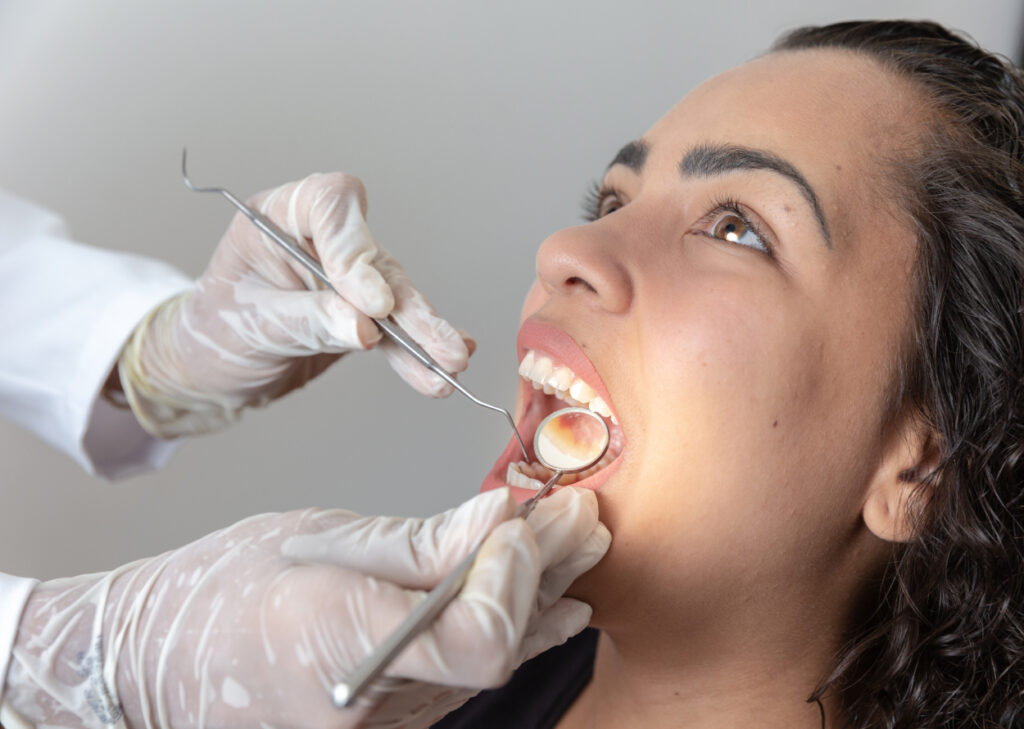
Periodontal treatment can be technically excellent and still fall short because of one stubborn factor: smoking. Dentists and periodontists see this pattern often enough that it stops being a theory and becomes a clinical reality. Two patients may arrive with similar levels of gum disease, receive the same scaling and root planing, hear the same home care instructions, and return months later with very different results. The smoker is more likely to show slower healing, deeper residual pockets, more bleeding control issues over time, and a higher chance that the disease will continue to progress quietly.
That mismatch is frustrating for patients because periodontal therapy asks a lot of them. It takes time, money, discipline, and repeat visits. When smoking enters the picture, the return on that effort can shrink. Not always, not in every case, and not beyond improvement, but enough that it changes how treatment is planned, how healing is monitored, and how prognosis is discussed.
Understanding the relationship between tobacco use and periodontal treatment helps patients make better decisions. It also sets realistic expectations. Stopping smoking does not guarantee a perfect outcome, and continuing to smoke does not make treatment pointless. What it does mean is that the biology of healing changes, often in ways that are less visible than people assume.
Why smoking and gum disease are so tightly linked
Periodontal disease is not just “dirty teeth” or occasional swollen gums. It is a chronic inflammatory infection involving the tissues that support the teeth, including the gingiva, periodontal ligament, root surface, and alveolar bone. As plaque biofilm matures along and below the gumline, the body mounts an immune response. Over time, if that response becomes destructive rather than protective, attachment loss and bone loss follow.
Smoking amplifies this process from several directions at once. It affects blood flow, immune cell function, tissue oxygenation, inflammatory signaling, and even the kinds of bacteria that thrive in periodontal pockets. This is why smokers tend to have more severe periodontal breakdown than nonsmokers, even when oral hygiene appears similar on the surface.
One of the more deceptive aspects of smoking is that it can mask classic signs of gum inflammation. A patient may not see much redness or bleeding and assume the gums are stable. In reality, nicotine and other tobacco-related compounds can constrict blood vessels and suppress the outward signs that usually warn both the patient and clinician that tissue is under stress. Less bleeding does not always mean healthier gums. In smokers, it may simply mean the tissue is reacting differently.
In practice, this can delay treatment. People often seek care when something becomes impossible to ignore, such as loose teeth, gum recession, bad breath that will not improve, or discomfort while chewing. By then, bone loss may already be significant.
What happens during periodontal treatment, and where smoking interferes
The first phase of periodontal treatment usually involves controlling bacterial biofilm and reducing inflammation. For many patients, this means scaling and root planing, better daily plaque control, antimicrobial measures when indicated, and a reassessment after several weeks. Some cases then move to surgical therapy, pocket reduction, regenerative procedures, soft tissue grafting, or long-term periodontal maintenance.
Each of these stages depends on healing. The tissues need to reattach as much as possible, inflammation needs to settle, and the body needs to contain the bacterial challenge. Smoking interferes at every level.
After non-surgical treatment, clinicians typically hope to see reduced pocket depths, less inflammation, and improved tissue tone. Smokers often improve, but not as much as nonsmokers. The pocket reduction can be more modest, and deep sites may persist. In practical terms, that can mean more teeth falling into a “watch closely” category instead of a “stable” one.
Surgical periodontal treatment raises the stakes further. When a flap procedure, graft, or regenerative therapy is performed, the quality of wound healing becomes crucial. Blood supply matters. Immune defense matters. The activity of fibroblasts, the cells heavily involved in connective tissue repair, matters. Smoking compromises all of these. When the goal is to regenerate lost periodontal support or achieve predictable soft tissue coverage, tobacco use can be the difference between a satisfactory result and a disappointing one.
This is especially evident in procedures aimed at regeneration around teeth with vertical bone defects or furcation involvement. These techniques can be highly technique-sensitive even under ideal conditions. Add smoking, and the predictability drops. The same applies to implant-related periodontal care. A patient with a smoking history and previous periodontitis often faces a more fragile long-term picture.
The biology behind poorer outcomes
Nicotine gets much of the attention, but tobacco smoke contains many harmful compounds. The problem is not one single ingredient. It is the cumulative biological burden.
Smokers often have impaired neutrophil function, altered antibody responses, and reduced tissue oxygen levels. Fibroblasts, which are essential for collagen production and wound repair, do not behave as effectively in a tobacco-exposed environment. Collagen metabolism shifts in an unfavorable direction, making it harder for tissues to rebuild after treatment. Blood vessel changes also reduce nutrient delivery to healing sites.
At the same time, the microbial environment may become more hospitable to periodontal pathogens. Smoking does not merely inflame the gums. It can reshape the ecosystem in the pocket and distort the host response in ways that favor disease persistence.
That combination, heavier bacterial challenge plus weaker host defense plus poorer healing, explains why periodontal treatment in smokers often becomes an exercise in damage control rather than full stabilization. The treatment can still work. It just has to work uphill.
Why smokers may think treatment is working better than it is
One of the hardest conversations in periodontal care involves bleeding. Many patients are told that bleeding on brushing or flossing is a sign of inflammation. Then a smoker says, quite reasonably, “My gums hardly ever bleed.”
That statement can be true and still be misleading.
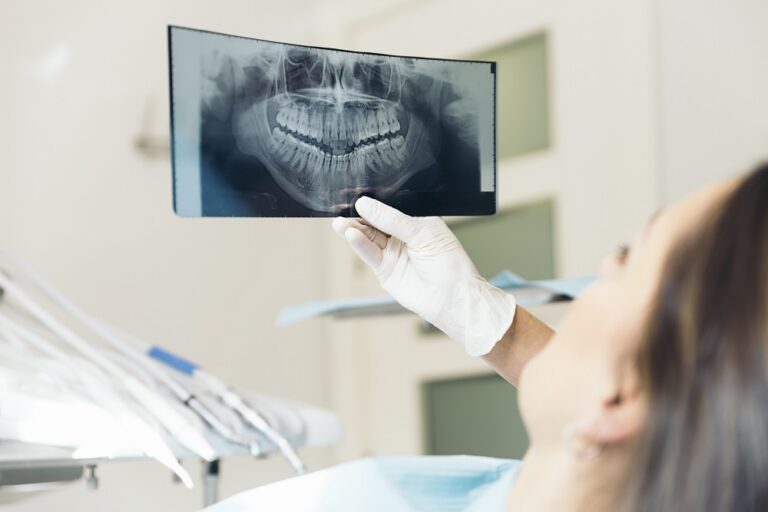
Because smoking reduces visible inflammatory signs, gums may appear deceptively calm. Clinicians therefore rely on a broader picture: probing depths, attachment levels, recession, mobility, radiographs, plaque accumulation, and the pattern of bone loss. A lack of obvious redness or bleeding does not override a 6 mm pocket with bleeding on probing and radiographic bone loss.
This matters after treatment as well. A smoker may feel improved because tenderness has eased and the mouth feels cleaner. Those are meaningful gains, but they are not the whole story. If pockets remain deep, if maintenance appointments are inconsistent, or if smoking continues at a high level, the disease may remain active beneath the surface.
Dose matters, but there is no truly safe level for periodontal healing
People often ask whether “light smoking” carries the same risk. The honest answer is that periodontal risk tends to increase with intensity and duration, but lower exposure does not equal no exposure. Someone who smokes a pack a day for twenty years generally faces a worse outlook than someone who smokes occasionally, yet even lighter tobacco use can impair healing.
The same principle applies to people who are trying to cut back. Reducing cigarette use is often a meaningful step and may improve general health over time, but from a periodontal standpoint, the goal is cessation, especially around active treatment and surgery. A patient who drops from twenty cigarettes a day to five is moving in the right direction, but the tissues do not interpret that as “problem solved.”
There are also important edge cases. Some patients smoke less frequently but inhale deeply. Others switch between cigarettes and cigars or combine smoking with smokeless tobacco. Some report that they only smoke socially on weekends. These patterns are not identical, but they all deserve a frank discussion because the mouth responds to exposure, not just labels.
Periodontal surgery and smoking, where the gap widens
Non-surgical periodontal treatment can deliver measurable benefits even for smokers, particularly when home care improves and maintenance is consistent. Surgery is where smoking often becomes a more obvious barrier.
Take gum grafting for recession coverage. The graft depends on a delicate sequence of blood supply, tissue stabilization, and cellular integration. Smoking can undermine each part of that sequence. The graft may survive but heal less beautifully, or root coverage may be incomplete. In a patient who wants both comfort and esthetics, that matters.
Bone grafting and regenerative treatment around teeth are similarly vulnerable. The success of these procedures relies on clot stability, bacterial control, and cell activity that supports new attachment or bone fill. Smoking does not make success impossible, but it reduces predictability. That is one reason some periodontists strongly encourage, or even require, a tobacco-free period before elective regenerative procedures.
A similar caution appears in extractions followed by ridge preservation, sinus grafting, or implants in periodontally compromised patients. Smoking is one of those modifiers that does not always cause failure by itself, but it narrows the margin for error. When several risk factors stack together, prior periodontitis, inconsistent oral hygiene, diabetes with poor control, and smoking, the prognosis worsens sharply.
The maintenance phase is where smoking often does the most damage
Many patients think of periodontal treatment as a single event. Deep cleaning, a few follow-ups, perhaps surgery, then done. In reality, periodontitis is a chronic condition. Even after active therapy is complete, the disease can recur, and smokers face a greater risk of recurrence.
This is why periodontal maintenance visits are not routine polish appointments in disguise. They are surveillance and disease-control appointments. Pocket depths are reviewed, tissue response is checked, plaque and calculus are removed from hard-to-reach areas, and patterns are compared over time. Smokers often need this phase more, not less, because disease progression can be more silent and more persistent.
A patient may say, “I had treatment two years ago, so why are my gums acting up again?” Often the answer is that the underlying susceptibility never went away. If smoking continued and maintenance intervals stretched too far, the disease had room to regain momentum. Three-month recare is common for many periodontal patients for exactly this reason.
What patients usually notice first
The signs that matter are not always dramatic. In many smokers, periodontal breakdown progresses with https://simonjcrx629.lucialpiazzale.com/how-periodontal-treatment-supports-overall-wellness-1 fewer warning signals than expected. Still, certain changes deserve attention, especially after periodontal treatment:
- persistent bad breath that does not improve with brushing and cleaning
- gums pulling away from the teeth, making teeth look longer
- tenderness while chewing or a vague sense that a tooth feels different
- spaces opening between teeth or shifting in bite
- loose teeth or recurring gum swelling in the same area
What makes these symptoms tricky is that they may appear late. A patient can lose meaningful periodontal support before pain becomes obvious. That is another reason smoking creates false reassurance.
Can quitting actually improve the success of periodontal treatment?
Yes, and often more than patients expect.
The benefit is not merely theoretical. Former smokers tend to respond better to periodontal treatment than current smokers, and over time their periodontal risk profile can move closer to that of nonsmokers, though not always completely, especially if past exposure was heavy and bone loss is already advanced. The body begins to recover once tobacco exposure stops. Blood flow improves, inflammatory patterns shift, and healing capacity can rebound.
That does not mean decades of damage disappear. If significant attachment loss has already occurred, quitting cannot regrow every structure automatically. But it can improve the odds that treatment will stabilize what remains. That distinction matters. Periodontal care is often about preserving support before more is lost.
Timing matters too. A patient who quits before non-surgical therapy or before surgery generally gives the tissues a better chance to respond. Even a shorter smoke-free interval around the time of treatment can help, though longer is better. Clinically, the most encouraging cases are often patients who stop smoking as part of the same broader reset that includes consistent home care, maintenance visits, and management of dry mouth or diabetes.
What I tell patients when they ask if treatment is “worth it” if they still smoke
It is worth it, but the goals need to be honest.
Active periodontal infection should not be ignored simply because a patient smokes. Treatment can reduce inflammation, lower bacterial burden, improve comfort, slow disease progression, and sometimes save teeth that would otherwise be lost. Those are substantial benefits. The mistake is pretending that smoking will not affect the outcome.
In practical terms, I explain it this way: periodontal treatment in a nonsmoker often aims for control and long-term stability with a wider safety margin. In a smoker, the same treatment may still improve things, but the margin is thinner. More areas may remain at risk. More maintenance is usually needed. Some teeth may carry a guarded prognosis from the beginning.
That sort of candor tends to land better than fear-based warnings. Most patients can handle complexity when it is explained plainly.
Smokeless tobacco, vaping, and “safer” nicotine habits
Patients increasingly ask whether vaping is easier on the gums than smoking traditional cigarettes. Research in this area continues to evolve, and the products vary widely, but it would be a mistake to assume that replacing cigarettes with nicotine vaping fully removes periodontal risk. Nicotine itself has vascular and cellular effects, and oral tissues can still face irritation and altered healing conditions. The answer is not as settled or as simple as with combustible tobacco, but “safe for periodontal healing” is not a phrase most clinicians would use.
Smokeless tobacco brings its own problems, especially localized soft tissue injury, recession, and chronic irritation where the product rests. It may not mirror cigarette smoking in every periodontal metric, but it is far from harmless.
Nicotine pouches and replacement products create a different conversation. Medically supervised nicotine replacement used as part of smoking cessation has a very different purpose from continued tobacco use. The periodontal ideal is to remove tobacco exposure and eventually reduce nicotine dependence as well, but using evidence-based cessation aids is often a far better path than continuing to smoke.
How dentists and periodontists adapt treatment plans for smokers
Treatment planning changes when smoking is on the chart. It has to.
A clinician may recommend a more cautious prognosis for certain teeth, more frequent maintenance, closer post-treatment reevaluation, and a different threshold for surgery. Antibiotics are not a magic fix and should not be used casually, but the overall monitoring strategy often becomes more intensive. Home care instruction also becomes more specific because smokers need every controllable advantage they can get.
These conversations usually cover a few practical points:
- smoking status should be disclosed accurately, including occasional or social use
- cleaning around the gumline must be meticulous, not just quick brushing twice a day
- maintenance intervals should be kept, even when the mouth feels fine
- any planned periodontal surgery should include a discussion about stopping tobacco before and after the procedure
- signs of recurrence should be checked early rather than waiting for pain
What separates successful cases from unsuccessful ones is not perfection. It is cooperation. Smokers who attend maintenance regularly, clean well, and make serious efforts to quit often do far better than smokers who disappear after initial treatment.
The emotional side of the conversation
Smoking and oral health can be a sensitive topic. Patients have often heard generic warnings for years, and many feel judged before the discussion even begins. That is not useful. What tends to help is specificity.
When patients hear that smoking can reduce pocket depth improvement after scaling and root planing, increase the risk of ongoing attachment loss, compromise graft healing, and make periodontal disease harder to detect early, the issue becomes concrete. It shifts from moral advice to biological reality.
I have seen patients become much more motivated when they understand that quitting is not only about lungs or heart disease decades later. It is also about whether the teeth they still have today remain functional in five or ten years. For someone already facing mobility, recession, or the cost of advanced periodontal treatment, that can be the turning point.
What success looks like if you are a smoker starting periodontal treatment now
Success may not look perfect. It may look like fewer deep pockets, firmer gums, reduced inflammation, cleaner root surfaces, stable radiographs over time, and keeping teeth that otherwise seemed headed for extraction. It may look like a patient who quits smoking six months into maintenance and suddenly starts showing a more favorable tissue response. It may look like deciding against an elective regenerative procedure until tobacco use is under control, then revisiting it later under better conditions.
The important thing is not to confuse a harder road with a hopeless one. Periodontal treatment can help smokers. It just works best when tobacco use is addressed as part of the treatment itself, not as a side note.
When smoking continues, the biology of healing remains compromised, the disease is more likely to persist, and the long-term success of periodontal treatment becomes less predictable. When smoking stops, the odds begin to shift. That change is not cosmetic. It is one of the most meaningful ways a patient can improve the future of their gums, bone support, and teeth.
Avra Dental
Address: 1708 S Victoria Ave B, Ventura, CA 93003
Phone number: (805) 941-1001
FAQ About Periodontal Treatment
Can a dentist get rid of periodontal disease?
A dentist or gum specialist (periodontist) cannot fully cure or reverse advanced periodontal disease (periodontitis), but they can successfully stop its progression and manage the infection.
Is periodontitis very serious?
Yes, periodontitis is a very serious, advanced form of gum disease that destroys the bone and tissues supporting your teeth.
How is stage 2 periodontal disease treated?
Stage 2 periodontal disease (early to moderate periodontitis) is primarily treated with non-surgical deep cleaning procedures like scaling and root planing to remove bacteria and tartar below the gumline.