Top Benefits of Early Periodontal Treatment for Gum Disease

Gum disease rarely begins with drama. Most people do not wake up one morning with severe pain and obvious tooth mobility. It usually starts quietly, with a little bleeding during brushing, slightly puffy gums, a persistent bad taste, or the feeling that the floss keeps catching in one spot. Because the early phase can seem mild, many patients assume it can wait. In practice, that delay is where the real damage happens.
Early periodontal treatment can change the entire course of gum disease. It can stop inflammation before it destroys supporting bone, reduce the need for invasive procedures later, improve comfort, and protect teeth that might otherwise be lost years earlier than expected. Dentists and periodontists see this pattern over and over. The patients who address gum disease early usually have simpler treatment, lower costs over time, and far better long-term stability than those who postpone care until the disease becomes advanced.
Understanding why early action matters requires a clear picture of what gum disease actually does. This is not just a cosmetic issue, and it is not limited to sore gums. Periodontal disease affects the structures that hold teeth in place, including the gums, the periodontal ligament, and the bone around the roots. Once those structures break down, the mouth changes in ways that are often difficult to fully reverse.
What early gum disease looks like in real life
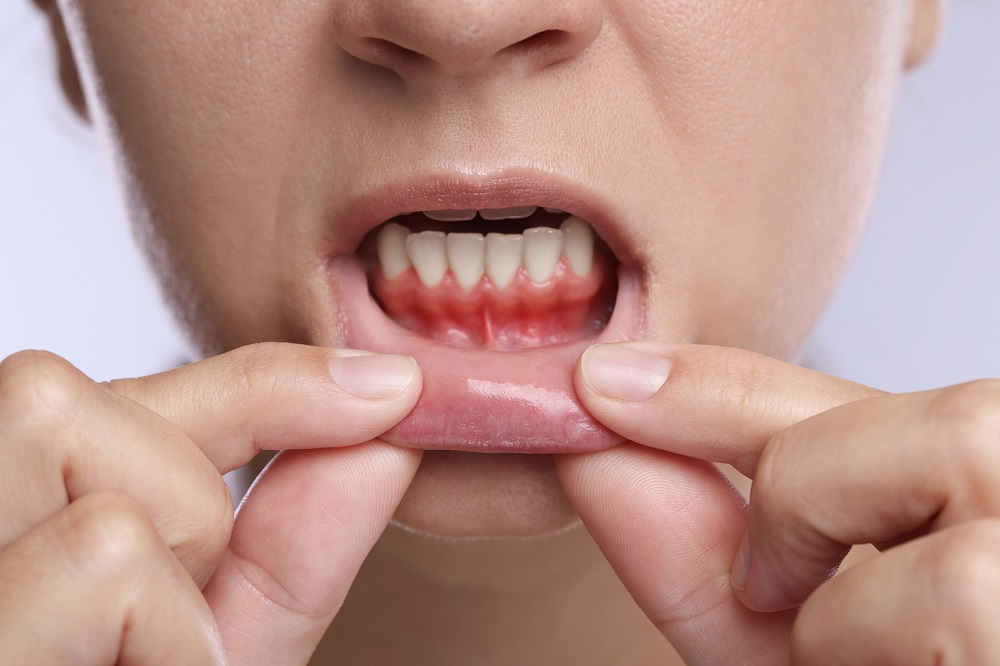
The earliest form of gum disease is gingivitis. At this stage, the gums become inflamed because plaque biofilm has been sitting at and below the gumline. The tissue may look redder than usual, feel tender, or bleed when brushing and flossing. Breath may be less fresh, even when oral hygiene seems decent. A person may not feel much pain, which is one reason gingivitis is so often underestimated.
If the condition progresses, the inflammation does not stay on the surface. The gums begin to pull away from the teeth, creating pockets that trap more bacteria and debris. The body’s inflammatory response, combined with bacterial activity, starts damaging the ligament and bone that support the teeth. That stage is periodontitis. Once bone is lost, treatment shifts from simple inflammation control to long-term disease management.
One of the most important clinical realities is that early periodontal treatment works best before significant attachment loss has occurred. The mouth is easier to stabilize when the disease is still shallow and localized. If someone waits until chewing feels different or teeth look longer because of recession, there is often already measurable tissue destruction.
The biggest advantage: stopping bone loss before it becomes permanent
This is the benefit that matters most. Gums can heal from inflammation surprisingly well when the disease is caught early, but bone does not simply grow back on its own in most cases. There are regenerative procedures for selected situations, but they are technique-sensitive, not always predictable, and not appropriate for every defect.
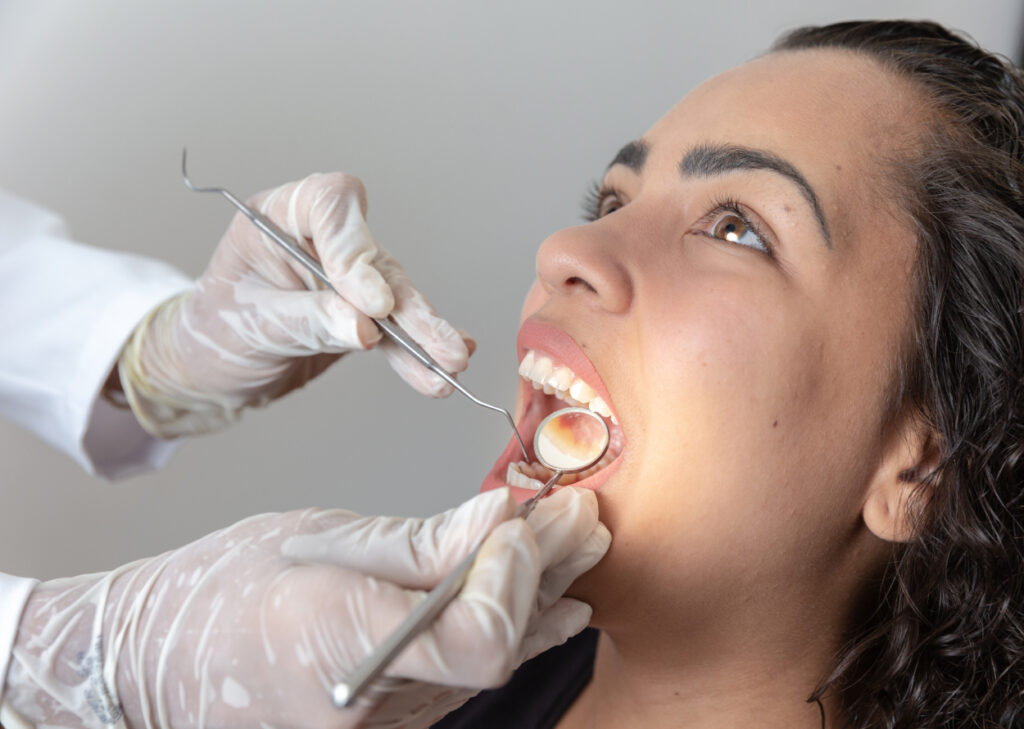
When periodontal treatment begins early, the primary goal is to remove the bacterial buildup and disrupt the environment that allows disease to progress. That often means a professional cleaning, more detailed home-care instruction, and in some cases scaling and root planing to clean below the gumline. If the pockets are still relatively shallow and the patient follows through at home, the gums can tighten, bleeding can stop, and the tissues can become much easier to maintain.
The difference between losing 1 or 2 millimeters of support versus 5 or 6 is not trivial. On a radiograph, that change can mean the difference between a tooth with decades of useful life remaining and a tooth that becomes increasingly difficult to save. Early periodontal treatment preserves the architecture that teeth depend on. Once that architecture collapses, every restorative decision becomes more complicated.
Treatment is simpler when disease is caught early
Patients often imagine that delaying care gives them time to avoid treatment. More often, it only trades a simpler intervention for a more involved one later. Early periodontal treatment may involve non-surgical therapy, shorter appointments, and manageable maintenance intervals. Advanced disease may require flap surgery, bone grafting, soft tissue grafts, splinting of mobile teeth, extraction, or implant planning.
There is also a psychological difference. Many people feel far more comfortable agreeing to a straightforward treatment plan when the issue is still moderate and manageable. Once the conversation turns to surgery or possible tooth loss, the stakes feel higher and the stress rises with them. That emotional burden is worth acknowledging. Patients are not only trying to save their gums, they are often trying to avoid fear, missed work, multiple visits, and a prolonged recovery.
A common scenario in practice goes like this: a patient notices occasional bleeding for a year or two, assumes it is from brushing too hard, and skips periodontal evaluation because nothing hurts. By the time they return consistently, two molars have deep pockets, food traps have formed, and one area shows vertical bone loss. The eventual treatment still helps, but it is no longer the easy version of care. That pattern is preventable.
Early care helps protect your natural teeth
Natural teeth are remarkably efficient. Even the best crown, bridge, or implant is still a replacement for something more biologically elegant. Saving natural teeth whenever reasonably possible is almost always worth the effort.
Periodontal disease is one of the leading reasons adults lose teeth, especially molars. Early periodontal treatment reduces that risk by controlling infection before the attachment apparatus is compromised beyond repair. This matters not only for function, but for how the whole bite holds together over time.
When one tooth is lost, the effects can spread. Neighboring teeth may shift, the opposing tooth can over-erupt, chewing patterns change, and certain areas become harder to clean. The mouth adapts, but often in ways that create new problems. A missing back tooth, for example, may not seem urgent at first, yet it can lead to uneven forces on the remaining teeth and more wear in the years that follow.
Protecting teeth early also means preserving treatment options. A tooth with mild periodontal involvement can often be maintained with good care. A tooth with severe mobility and extensive bone loss may have a poor prognosis even after treatment. Timing influences what is still possible.
Bleeding gums are not normal, and early treatment addresses the cause
Many patients have been told by friends or family that bleeding during brushing is no big deal. That advice is misleading. Healthy gums do not typically bleed with routine brushing and flossing. Bleeding is one of the clearest signs of inflammation, and inflammation is the starting point for more serious periodontal breakdown.
Early periodontal treatment addresses the underlying bacterial load and helps restore healthier tissue response. Once the inflammation is under control, brushing usually becomes more comfortable, not less. This is an important point because people often brush and floss less when gums bleed, thinking they should avoid aggravating the area. Unfortunately, that can make the problem worse by allowing more plaque to accumulate.
There is nuance here. Not every episode of bleeding means established periodontitis. A change in flossing habits, a rough brushing technique, orthodontic appliances, or certain medications can contribute. Still, recurrent bleeding deserves attention. A professional evaluation can determine whether the issue is limited gingivitis or whether deeper periodontal treatment is needed.
Bad breath often improves when the gums are treated
Persistent bad breath can be socially distressing and surprisingly difficult to manage with mouthwash alone. In many cases, the source is not on the tongue or from something eaten at lunch. It is coming from bacteria and inflammatory byproducts trapped around the gumline or in periodontal pockets.
When the bacterial burden is reduced through professional cleaning and appropriate periodontal treatment, many patients notice fresher breath within days to weeks. This benefit may seem secondary compared with saving bone or teeth, but it matters in daily life. People often become self-conscious in close conversations, meetings, and family interactions. Better periodontal health can improve comfort in those ordinary moments.
That said, halitosis is not always caused by gum disease. Dry mouth, sinus issues, tonsil stones, certain diets, and gastrointestinal factors can also contribute. Good periodontal care is not a cure-all, but it is one of the most common and most overlooked parts of the picture.
Early intervention usually costs less over time
Dental costs are rarely limited to one procedure. The real expense often comes from what follows when a disease process is allowed to continue. Early periodontal treatment is a good example. The upfront cost of evaluation, cleaning, and localized therapy can feel inconvenient, but it is usually modest compared with the cost of surgery, repeated deep maintenance, restorations on compromised teeth, extraction, and replacement.
There is also the hidden cost of time. Advanced periodontal disease often means more appointments, longer visits, more imaging, post-operative care, and stricter recall intervals. If a patient eventually needs grafting or implants, the treatment timeline can stretch over many months.
From a practical standpoint, earlier care often offers better value because it preserves what is already there. Dentistry gets more expensive when biology has already been lost. Rebuilding support, replacing teeth, and managing advanced conditions requires https://dallasvunn642.scriblorax.com/posts/periodontal-treatment-for-severe-plaque-and-tartar-buildup more materials, more expertise, and more long-term monitoring.
Insurance may help with parts of periodontal treatment, but coverage is variable and not always aligned with ideal timing. Waiting for symptoms to become severe does not usually improve benefits. It more often increases the amount of treatment needed.
It can improve comfort without waiting for severe pain
One reason people put off gum treatment is that gum disease does not always hurt in a dramatic way. The absence of severe pain creates a false sense of security. Yet many patients with early to moderate periodontal problems describe low-grade symptoms that affect them every day. Their gums feel tender when they eat crusty bread. Cold drinks sting near exposed root surfaces. One area seems swollen all the time. Floss has an unpleasant odor. Food packs between teeth that used to feel normal.
These symptoms are easy to rationalize when they come on gradually. After treatment, however, patients often realize how much background irritation they had been tolerating. The gums feel firmer. Brushing is less messy. The mouth feels cleaner between visits. Even chewing can feel more balanced when inflamed tissue settles down.
There are exceptions, of course. Deep cleanings can cause temporary sensitivity, and some patients need desensitizing strategies afterward. But from a long-view clinical perspective, the short-term inconvenience of treatment is usually far less burdensome than the discomfort of ongoing disease.
Earlier treatment supports more predictable restorative work
This benefit is sometimes overlooked outside dental settings, but it matters a great deal. If a patient needs a crown, bridge, veneer, implant, or orthodontic treatment, gum health has to come first. Restorative dentistry performed on an unstable periodontal foundation is inherently less predictable.
Imagine placing a well-made crown on a tooth with untreated periodontal pockets. The crown may be technically excellent, but if inflammation and bone loss continue, the surrounding tissues can recede, the margins may become harder to clean, and the tooth’s long-term outlook can worsen. The same logic applies to implants. An implant cannot succeed in the same way a natural tooth does if oral hygiene is poor and periodontal disease remains uncontrolled elsewhere in the mouth.
Early periodontal treatment creates a healthier baseline for future dental work. It helps the gums respond more predictably, improves impression accuracy and scanning conditions, and makes maintenance more realistic. In multidisciplinary cases, from cosmetic dentistry to bite rehabilitation, periodontal stability is often the first thing clinicians want to establish.
The health connection is real, though it should be discussed carefully
There is longstanding interest in the relationship between periodontal disease and systemic health. Research has identified associations between gum inflammation and conditions such as diabetes, cardiovascular disease, and adverse pregnancy outcomes. The key word is association. Gum disease does not directly cause every systemic problem it is linked with, and responsible clinicians should avoid oversimplified claims.
Still, the connection is meaningful. Chronic inflammation in the mouth is not biologically isolated from the rest of the body. Patients with diabetes, for example, often show a two-way relationship with periodontal disease. Poor glycemic control can make gum inflammation harder to manage, and uncontrolled periodontal infection can make diabetes management more difficult. When periodontal treatment improves oral inflammation, some patients and physicians notice better overall stability.
This is not a reason to create fear. It is a reason to treat the mouth as part of health rather than separate from it. Early periodontal treatment reduces one persistent source of inflammation and bacterial challenge. That is a worthwhile goal on its own, even before broader health implications are considered.
It is easier to change habits before disease becomes advanced
Behavior change is hard. Flossing regularly, cleaning around crowded molars, wearing a night guard if grinding contributes to mobility, quitting tobacco, attending maintenance visits every three or four months, all of that requires consistency. Patients often do better when these changes are introduced early, while the disease still feels manageable and the payoff is visible.
Once periodontitis becomes advanced, the treatment plan can feel overwhelming. A patient may be told they need deeper cleanings, surgery in selected areas, smoking cessation, and close monitoring for several unstable teeth. That is a lot to process at once. Early periodontal treatment creates a narrower and more achievable set of changes. Better technique with an electric toothbrush, daily interdental cleaning, and routine professional maintenance can make a dramatic difference when started early enough.
Tobacco use deserves special mention. Smokers may show less obvious bleeding even when disease is severe because nicotine alters blood flow and inflammatory signs. That can make the gums look deceptively calm. In these patients, early evaluation is especially important because visual clues may understate the true level of disease.
Some of the best results come from maintenance, not heroics
There is a misconception that successful periodontal care is mainly about dramatic procedures. In reality, some of the best long-term outcomes come from consistent, early, non-surgical management followed by disciplined maintenance. Regular periodontal maintenance visits allow the clinician to monitor pocket depths, bleeding points, plaque control, recession patterns, and areas that are starting to trap food or become inflamed again.
This matters because periodontal disease can be chronic. Even when treated well, patients who have had periodontitis remain at risk for recurrence. Early treatment gets the condition under control, and maintenance keeps it that way. That is often a more realistic and more effective path than waiting for a crisis and then expecting one major procedure to solve everything.
A patient in their forties with localized early bone loss around a few molars can often keep those teeth for many years with scaling, improved home care, and regular maintenance. The same patient, if absent for five or six years, may return with generalized deeper pockets, furcation involvement, and limited options. The biology responds to consistency.
What patients often notice after timely periodontal care
When treatment is started early and matched appropriately to the severity of disease, the improvements tend to be concrete. Patients commonly report less bleeding, fresher breath, less gum tenderness, fewer swollen areas, and a cleaner feel after brushing. Clinically, the team may see reduced pocket depths, less inflammation, improved tissue tone, and better plaque control over time.
There is also an emotional benefit that should not be discounted. Many people carry quiet worry about their teeth, especially if gum disease runs in the family or if they have already had difficult dental experiences. Early periodontal treatment can replace uncertainty with a plan. Instead of wondering whether the bleeding means something serious, they know where they stand and what to do next.
That sense of control matters. Oral health is easier to maintain when patients understand the reasons behind the recommendations and can see progress at follow-up visits.
When early treatment should happen
The best time for periodontal treatment is when the warning signs first appear or, ideally, when a clinician identifies risk before the patient notices symptoms. That may be at a routine exam, after updated radiographs, or when probing reveals isolated bleeding or increasing pocket depths.
People at higher risk should be especially attentive. That includes smokers, patients with diabetes, those with a family history of periodontal disease, people who have dry mouth from medications, and anyone who has gone long stretches without professional dental care. Pregnancy, hormonal shifts, crowded teeth, and certain immune conditions can also influence gum health and warrant closer monitoring.
Early does not always mean aggressive. It means timely and proportionate. Sometimes the right step is improved hygiene and a re-evaluation. Sometimes it is scaling and root planing. Sometimes it is referral to a periodontist because a localized defect, recession pattern, or systemic risk profile calls for specialist care. Good judgment matters as much as good timing.
Why acting sooner usually leads to better outcomes
The strongest argument for early periodontal treatment is simple: gum disease is easier to stop than to rebuild from. Once support is lost, clinicians can often manage the damage, but they cannot always restore the mouth to its original condition. Early care protects the structures that matter most, keeps treatment less invasive, and gives patients a far better chance of holding onto their natural teeth.
That is the practical value of paying attention to bleeding gums, subtle recession, or chronic bad breath. These are not minor annoyances to ignore until something hurts. They are often the first visible signs of a disease process that is still very treatable.
Periodontal Treatment works best when it begins before the mouth has to compensate for years of inflammation. The earlier the response, the more biology there is to save, the fewer procedures are usually needed, and the more stable the result can be over time. For patients and clinicians alike, that is where the real benefit lies.
Avra Dental
Address: 1708 S Victoria Ave B, Ventura, CA 93003
Phone number: (805) 941-1001
FAQ About Periodontal Treatment
Can a dentist get rid of periodontal disease?
A dentist or gum specialist (periodontist) cannot fully cure or reverse advanced periodontal disease (periodontitis), but they can successfully stop its progression and manage the infection.
Is periodontitis very serious?
Yes, periodontitis is a very serious, advanced form of gum disease that destroys the bone and tissues supporting your teeth.
How is stage 2 periodontal disease treated?
Stage 2 periodontal disease (early to moderate periodontitis) is primarily treated with non-surgical deep cleaning procedures like scaling and root planing to remove bacteria and tartar below the gumline.