Understanding Periodontal Treatment: A Complete Guide for Healthier Gums
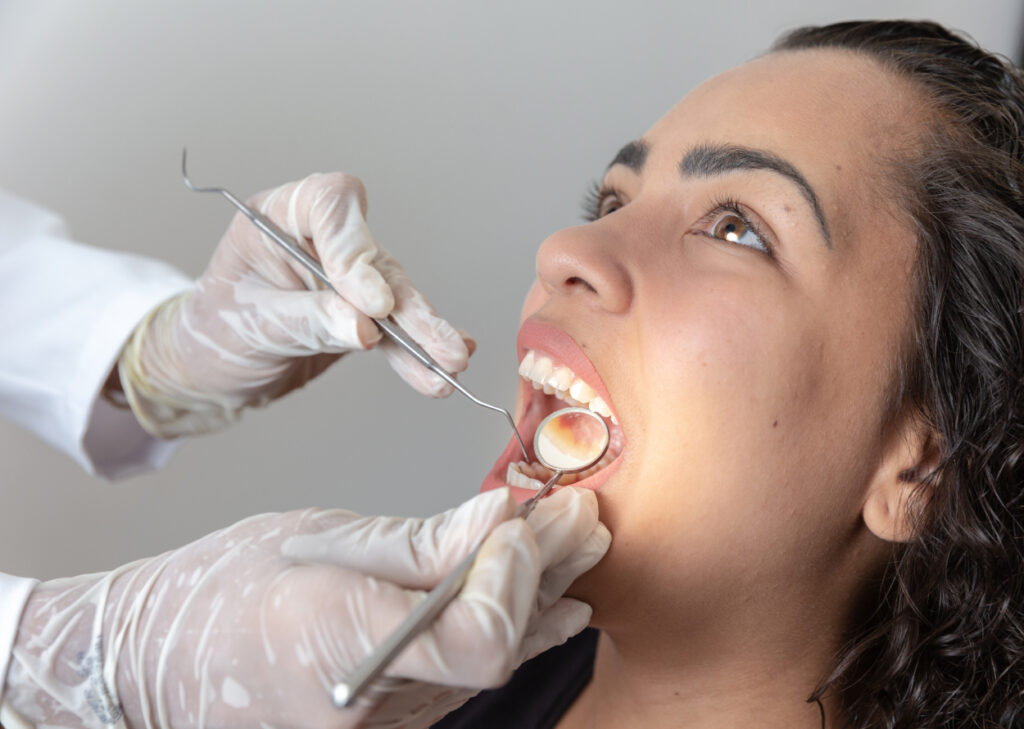
Healthy gums rarely get much attention until something starts to feel off. A little bleeding during brushing, tenderness along the gumline, bad breath that does not go away, or teeth that suddenly seem more sensitive than usual, these early signs are easy to dismiss. Many people assume the problem is minor or temporary. In practice, gum disease tends to progress quietly, and by the time it becomes obvious, the tissue and bone supporting the teeth may already be under strain.
That is where Periodontal Treatment becomes important. It is not one single procedure, but a range of therapies used to control infection, reduce inflammation, preserve the structures around the teeth, and in some cases rebuild what has been lost. The right approach depends on how advanced the disease is, what risk factors are driving it, and how the patient responds over time.
Dentists and periodontists see a wide spectrum of gum problems. Some patients need little more than a deep cleaning and better home care. Others need surgical treatment, close maintenance, and long-term monitoring. The differences matter, because gum disease is not just about discomfort in the mouth. It can affect chewing, speech, appearance, confidence, and the ability to keep natural teeth for life.
What periodontal disease actually is
The periodontium is the support system around each tooth. It includes the gums, the periodontal ligament, the root surface cementum, and the surrounding bone. When plaque accumulates along the gumline, the bacteria inside it trigger inflammation. At first, that inflammation is limited to the gums. This early stage is gingivitis, and it is usually reversible.
If the bacterial buildup and inflammation continue, the condition can advance into periodontitis. At that stage, the attachment between the gums and teeth begins to break down. Pockets can form between the tooth and gum. Bone may gradually resorb. Once bone and connective tissue are lost, the body does not automatically restore them without treatment, and in many cases not completely even with treatment.
One of the more frustrating aspects of periodontitis is that it often does not cause dramatic pain in the early and middle stages. A patient may say, "My gums bleed a little, but nothing hurts." Meanwhile, pocket depths are increasing and the supporting bone is slowly changing. That mismatch between symptoms and severity is one reason regular dental examinations matter so much.
Why gum disease develops
Plaque is the central factor, but it is not the whole story. Two people can have similar brushing habits and very different periodontal outcomes. Clinical experience shows that risk is shaped by biology, behavior, and medical history.
Smoking remains one of the strongest contributors. It affects blood flow, immune response, and healing. Diabetes, especially when poorly controlled, can make periodontal infection more severe and harder to manage. Dry mouth can also play a role, particularly in older adults or people taking several medications. Hormonal changes, stress, genetic susceptibility, clenching or grinding, and poorly contoured fillings or crowns can complicate the picture as well.
There is also a practical point many patients do not hear clearly enough: tartar, or calculus, changes the game. Once plaque hardens, it cannot be brushed away at home. It creates a rough surface that traps more bacteria and keeps inflammation active. Good intentions with a toothbrush do not solve that part of the problem.
Signs that should not be ignored
Patients often ask what gum disease feels like. The answer varies, but the warning signs are usually familiar.
- Bleeding during brushing, flossing, or eating
- Persistent bad breath or an unpleasant taste
- Red, swollen, or tender gums
- Gum recession, making teeth look longer
- Loose teeth or a change in the way the bite feels
A single sign does not confirm advanced disease, but it does justify a proper examination. Bleeding gums are especially important. Healthy gums generally do not bleed from routine brushing or flossing. When they do, inflammation is already present.
How periodontal problems are diagnosed
A periodontal assessment is more detailed than a quick look at the gums. The clinician will usually measure pocket depths around each tooth using a periodontal probe. These measurements help show whether the attachment around the teeth is healthy, mildly affected, or more seriously compromised. Bleeding on probing, gum recession, tooth mobility, furcation involvement in multi-rooted teeth, and plaque levels also provide useful information.
X-rays are essential for evaluating the bone around the teeth. Bitewings and periapical films are common, and sometimes a panoramic radiograph or three-dimensional imaging is helpful in complex cases. What matters is not just whether bone loss exists, but where it is, how much has occurred, and whether the pattern suggests long-term slow disease or something more aggressive.
A good diagnosis also includes a review of medical and dental history. If a patient has diabetes, smokes a pack a day, and has not had a cleaning in several years, that context influences both treatment planning and prognosis. If another patient has excellent home care but rapid localized breakdown around a few teeth, the clinician may look more carefully at bite forces, root anatomy, old restorations, or a family history of severe periodontal disease.
The real goal of Periodontal Treatment
Many people think the goal is simply to clean below the gums. That is part of it, but not the whole objective. Periodontal Treatment aims to stop disease activity, reduce harmful bacteria, create an environment the patient can keep clean, and preserve function over the long term.
In practical terms, success often means shallower pockets, less bleeding, firmer gum tissue, more stable bone levels, and improved comfort during eating and brushing. It may also mean preventing tooth loss, avoiding more invasive treatment later, and making future restorative work, such as crowns, bridges, or implants, more predictable.
This is important because untreated periodontitis can undermine other dental treatment. A beautiful crown placed on a tooth with uncontrolled periodontal infection is still a compromised situation. Likewise, orthodontic movement in the presence of active periodontal disease carries unnecessary risk. Stable gums are the foundation for almost everything else in dentistry.
Non-surgical treatment often comes first
For many patients, the first stage of care is non-surgical therapy. This usually involves scaling and root planing, often called deep cleaning. The purpose is to remove plaque, calculus, and bacterial toxins from below the gumline and smooth the root surfaces so the tissue can heal and reattach as much as possible.
Deep cleaning is typically done under local anesthesia, especially when pockets are deeper or several areas are affected. Some practices treat one side of the mouth per visit, while others complete larger sections depending on the case and the patient's comfort level. Mild soreness afterward is common. So is temporary sensitivity, particularly to cold.
When it is done well, scaling and root planing can make a meaningful difference. Swelling often decreases within days. Bleeding may improve quickly. Pocket depths can reduce over the following weeks as inflammation resolves and the gums tighten. That said, it is not magic. If a patient returns to heavy plaque accumulation right away, the benefits fade fast.
Adjunctive treatments may sometimes be used. Local antibiotics placed in specific pockets can help in selected areas, though they are not a substitute for thorough mechanical cleaning. Systemic antibiotics are reserved more carefully because they are not needed in routine cases and should be used with clear justification. Antimicrobial mouth rinses can support healing, but they work best as part of a broader plan rather than a standalone fix.
What happens when surgery is necessary
Some pockets remain too deep or anatomically difficult to maintain after non-surgical care. In those cases, periodontal surgery may be recommended. Patients often hear the word "surgery" and imagine something extreme. In reality, many periodontal procedures are precise, controlled, and very focused on improving access, reducing bacterial reservoirs, and preserving tissue.
Flap surgery, also called pocket reduction surgery, allows the clinician to gently reflect the gums, clean root surfaces more thoroughly, remove diseased tissue, and reshape areas of bone if needed. The gums are then repositioned to reduce pocket depth and make daily cleaning more manageable. For the right patient, this can shift a recurring problem area into a maintainable one.
Regenerative procedures are another category. These aim to rebuild lost support in selected defects using bone graft materials, membranes, biologic modifiers, or combinations of these. The best results are usually seen in defects with favorable shape and remaining walls that help contain the graft. Not every bone loss pattern is a candidate, and honest case selection matters. Patients should hear both the possibilities and the limits.
Soft tissue grafting is commonly used for recession. If the gum margin has moved down the tooth root, a graft may be used to cover exposed root surface, reduce sensitivity, improve appearance, and increase tissue thickness. Connective tissue grafting is a common approach, often using tissue from the palate or a substitute material in selected cases.
Crown lengthening can also fall within periodontal care. This procedure adjusts gum and sometimes bone levels to expose more tooth structure for restoration. It is frequently done when decay or fracture extends below the gumline and a filling or crown would otherwise violate the biologic space the tissue needs to remain healthy.
The experience from the patient side
One of the most useful ways to explain Periodontal Treatment is to describe what patients usually notice during the process. Before treatment, many are surprised by the amount of bleeding they have normalized. They may also assume tenderness means they should brush less around the area, which usually allows more plaque to accumulate and worsens the problem.
After a thorough deep cleaning, the first week can feel different. Gums may be slightly sore. Spaces between teeth may seem more noticeable as swollen tissue shrinks back to its healthier contour. Some patients worry this means the cleaning "made the gums recede." In fact, the swelling had been masking the true anatomy. Once the inflammation settles, the shape becomes more accurate.
Follow-up visits are where the real assessment happens. The clinician remeasures pockets, checks bleeding points, and evaluates how the tissue has responded. A pocket that was six millimeters and now measures four with no bleeding tells a very different story from one that remains six and continues to bleed. Those details guide whether maintenance is enough or whether surgery would offer a better long-term result.
Home care is not optional, and technique matters more than enthusiasm
No periodontal therapy succeeds for long without consistent plaque control at home. This is not meant as blame. It is simply the biology of the disease. Professional care can reduce the bacterial burden and create healthier conditions, but the mouth is repopulated every day. What the patient does between visits determines whether those gains hold.
A common mistake is brushing harder instead of brushing better. Firm scrubbing near the gumline can irritate tissue and contribute to recession, while still missing plaque tucked into the margin. A soft-bristled toothbrush, an electric brush with a small head, or both can be very effective when used carefully. Interdental cleaning is just as important. Floss works well for tight contacts, but interdental brushes often outperform floss around larger spaces, bridges, and periodontal pockets.
Patients also need realistic guidance. Someone with advanced attachment loss, crowded lower front teeth, and arthritis in the hands may struggle with standard flossing. In that case, the best plan is not the most idealized one, but the one that can actually be carried out every day.
Recovery and aftercare
Healing after periodontal therapy depends on the procedure, the patient's health, and the severity of disease. After non-surgical treatment, most people return to normal routine quickly. Surgical procedures require more structured aftercare, but recovery is usually manageable when instructions are followed.
- Use prescribed or recommended rinses exactly as directed
- Choose softer foods for several days if the area feels tender
- Avoid smoking, which slows healing and increases complications
- Keep follow-up appointments, even if the gums feel fine
- Resume thorough home care as guided, without skipping problem areas
Pain is often less severe than patients expect. Mild to moderate discomfort, slight oozing, and temporary sensitivity are common. Severe swelling, uncontrolled bleeding, fever, or intense pain are not typical and should prompt a call to the office.
Maintenance is where long-term success is won
One of the biggest misconceptions in dentistry is that periodontal treatment https://holdenjtzu604.greyhavendaily.com/posts/top-benefits-of-early-periodontal-treatment-for-gum-disease is a one-time event. Periodontitis is better understood as a chronic condition that can be controlled, often very successfully, but not simply erased. Once a patient has had destructive periodontal disease, the mouth usually needs more vigilant maintenance than someone who has never had it.
This is why periodontal maintenance visits are different from routine cleanings. The clinician is not just polishing teeth. These visits involve reassessment of pockets, bleeding, plaque retention areas, recession, mobility, and radiographic changes over time. The interval is often every three or four months, especially in the first phase after active treatment, because harmful bacteria can rebound before a traditional six-month recall.
Patients sometimes ask whether they can go back to "normal cleanings" once the gums improve. Sometimes recall intervals can be adjusted, but only if the tissues remain stable and home care is consistently good. A person with a history of deep pockets and bone loss generally benefits from a maintenance mindset for the long haul.
How treatment decisions differ from one case to another
Two patients with similar x-rays may need very different plans. One may be a non-smoker with localized defects, excellent hygiene, and strong motivation. Another may have generalized inflammation, uncontrolled diabetes, heavy tartar buildup, and irregular attendance. The first case may respond beautifully to conservative therapy and selective surgery. The second may require a slower, more structured approach, with medical coordination and repeated reinforcement before advanced procedures make sense.
This is where professional judgment matters. More treatment is not automatically better. There are times when aggressive surgery offers little advantage because the patient cannot maintain the result. There are also times when delaying surgery leads to further avoidable loss. Good periodontal care balances what is clinically ideal, biologically realistic, and personally sustainable.
Age alone should not drive the plan either. A healthy older adult can heal well and benefit significantly from treatment. A younger patient is not automatically low risk. In fact, severe periodontal destruction in a younger adult deserves careful attention because the lifetime consequences can be considerable if disease activity is not brought under control early.
The link with broader health
Gum disease is fundamentally a local infection and inflammatory condition, but it does not exist in isolation from the rest of the body. The relationship between periodontitis and systemic health is complex, and careful clinicians avoid simplistic claims. Still, some associations are well established enough to matter in day-to-day care.
The clearest two-way relationship is with diabetes. Poor glycemic control can worsen periodontal inflammation, and severe periodontal infection can make diabetes management more difficult. Pregnancy also deserves attention, because hormonal changes can intensify gum inflammation and increase susceptibility to certain periodontal problems. Cardiovascular associations are widely discussed, though the relationship is influenced by shared risk factors and not every headline captures the nuance.
What patients should take from this is practical rather than dramatic: healthy gums support overall health habits, reduce chronic inflammation in the mouth, and make daily function easier. That is reason enough to treat disease early and maintain the result.
Cost, value, and the price of waiting
Periodontal care can feel expensive, especially when it involves multiple visits, surgery, or ongoing maintenance. Yet waiting often costs more, both financially and biologically. A patient who postpones treatment for several years may move from needing deep cleaning and maintenance to needing surgery, extractions, bone grafting, implants, or removable replacement options.
There is also the hidden cost of instability. Loose teeth, abscesses, recurrent swelling, and difficulty chewing do not show up neatly on a treatment estimate, but they affect daily life. Many patients who finally move forward with therapy say the same thing afterward: they wish they had handled it sooner, before the damage became harder to reverse.
For anyone weighing next steps, the most useful question is not "What is the cheapest thing I can do today?" But "What gives me the best chance of keeping my mouth stable over the next ten years?" That shift in perspective often makes the value of Periodontal Treatment much clearer.
What a healthier future for your gums looks like
Successful periodontal care is usually quiet. Gums stop bleeding. Breath improves. Brushing feels cleaner instead of irritating. Teeth feel steadier. Checkups become less stressful because there is no constant expectation of bad news. These changes are not dramatic in the cinematic sense, but they are substantial in real life.
A healthy periodontal result does not always mean gums that look exactly as they did years earlier. If bone loss or recession has already occurred, some changes may remain visible. The real win is stability, comfort, function, and a mouth that can be maintained predictably. That is the standard most experienced clinicians aim for.
When patients understand that goal, they tend to make better decisions. They stop viewing gum treatment as an isolated cleaning appointment and start seeing it for what it is: essential care for the foundation that holds every tooth in place.
Avra Dental
Address: 1708 S Victoria Ave B, Ventura, CA 93003
Phone number: (805) 941-1001
FAQ About Periodontal Treatment
Can a dentist get rid of periodontal disease?
A dentist or gum specialist (periodontist) cannot fully cure or reverse advanced periodontal disease (periodontitis), but they can successfully stop its progression and manage the infection.
Is periodontitis very serious?
Yes, periodontitis is a very serious, advanced form of gum disease that destroys the bone and tissues supporting your teeth.
How is stage 2 periodontal disease treated?
Stage 2 periodontal disease (early to moderate periodontitis) is primarily treated with non-surgical deep cleaning procedures like scaling and root planing to remove bacteria and tartar below the gumline.